Your Guide to Adding Warmth and Style to Your Home
When it comes to home improvement projects, few add as much ambiance and value as installing a fireplace. For homeowners curious about how to install a fireplace, understanding the steps involved can make the process seem less daunting. In this article, we’ll guide you through the essential stages of fireplace setup, highlight some crucial considerations, and offer handy tips for ensuring a safe and successful installation.
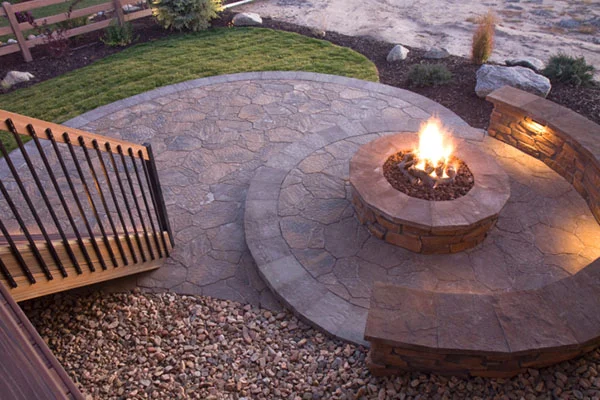
Choosing the Right Type Of Fireplace For Your Home
The first step in fireplace installation is choosing the right type for your property. Options include wood-burning, gas, electric, and ethanol, each with unique benefits and requirements. Consider factors like fuel availability, heat output, aesthetics, and local building codes before making your decision.
- Wood-burning fireplaces offer traditional charm but require more maintenance.
- Gas fireplaces provide convenience with easy controls and consistent heating.
- Electric fireplaces are versatile and can be installed almost anywhere.
- Ethanol fireplaces are eco-friendly and don’t require a chimney.
Preparing for the Installation
Proper preparation is key to a successful installation. Begin by determining the ideal location for your fireplace based on room size, layout, and ventilation options. This planning stage often requires consulting with professionals who can assess structural integrity and safety standards. Additionally, gather all necessary permits if required in your area, ensuring compliance with local ordinances.
Installation Process: Step By Step
Once you’ve prepared your space, it’s time to start the installation process. If you’re opting for a wood-burning or gas fireplace, consider hiring professionals to handle complex tasks like venting or connecting gas lines. Electric and ethanol fireplaces generally involve simpler installations that might suit DIY enthusiasts. Always follow manufacturer instructions closely to avoid hazards and ensure optimal performance.
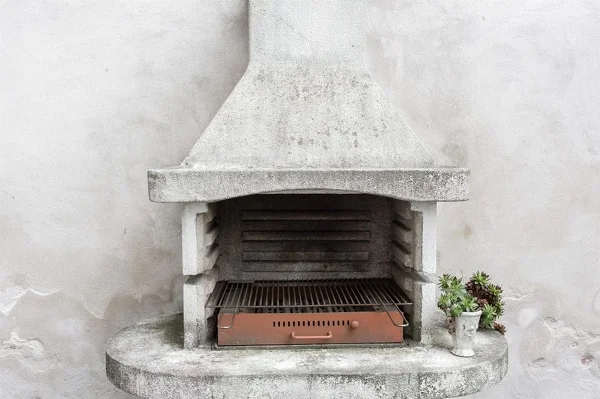
Enhancing Safety And Efficiency
A key aspect of maintaining safety and efficiency is regular upkeep. Routine checks, such as cleaning chimneys or inspecting seals, help prolong the life of your system and ensure safe operation. Installing carbon monoxide detectors in relevant areas adds an extra layer of safety by alerting you to harmful emissions. Additionally, using the correct fuels recommended by manufacturers prevents damage and keeps your system running efficiently.
Bring Cosiness to Your Residence
If you’re looking to enjoy cozy winter nights in Livingston, CA, a new fireplace could be just what you need. At Luke Bingle's Masonry, we specialize in guiding homeowners through every step of their fireplace journey. Give us a call at (209) 630-5537 today to learn more about our services!